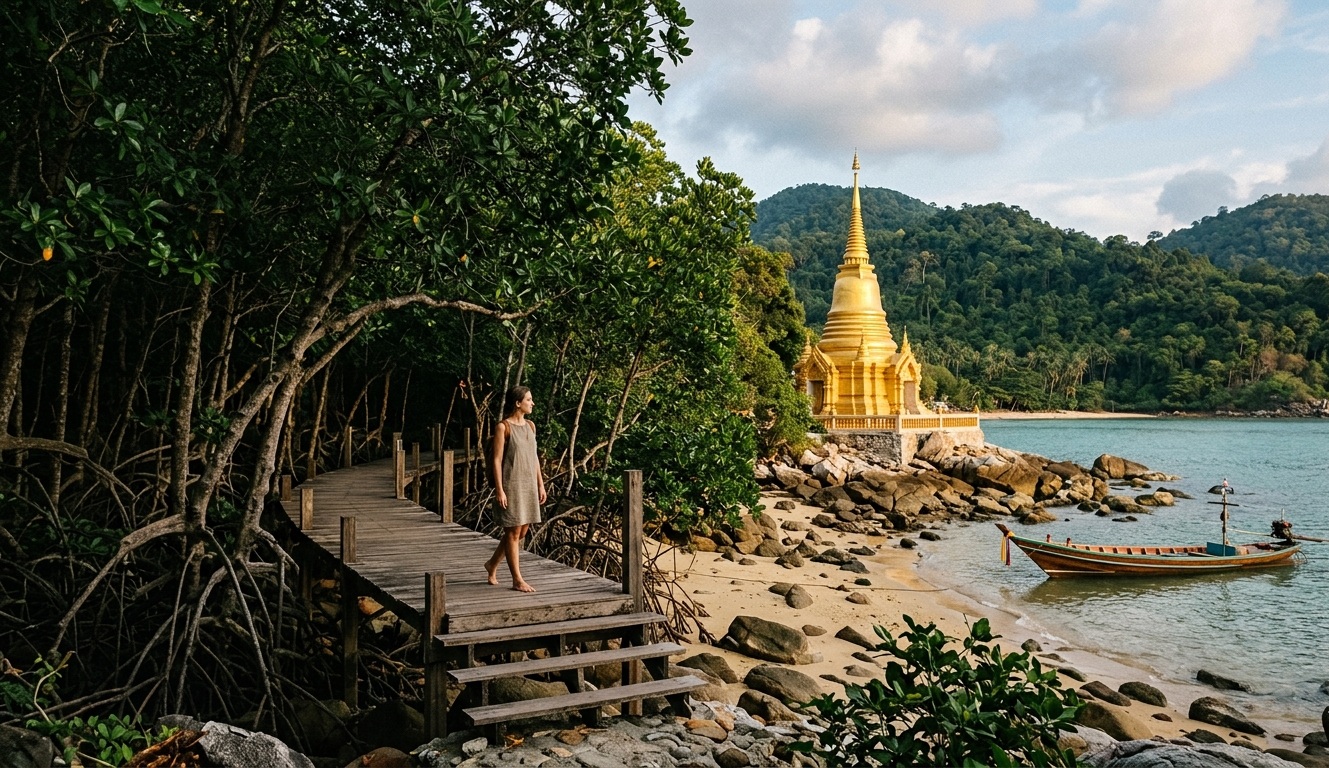
For many long-term expats and Thailand purists, Koh Samui often feels like it’s been “lost” to the march of progress.
Between the high-end shopping malls of Chaweng and the curated beach clubs of Bophut, the rugged, backpacker charm of the 1990s feels like a distant memory.
But at ThailandSecret, we know better. While the north of the island evolves into a polished international hub, a time capsule remains preserved at the opposite end of the map.
If you want to find the “Deep Samui” that most tourists miss, you need to head south. In 2026, the southern coast, specifically the area around Laem Sor, is the island’s last frontier.
Here is why the South Side silence is the only antidote to the Chaweng orbit.
The Great Divide: Leaving the “Orbit”
The moment you pass the Lamai viewpoint and head toward Hua Thanon, the energy shifts.
The multi-lane roads narrow into winding paths shaded by ancient coconut groves. The roar of jet skis is replaced by the rhythmic clucking of local poultry and the distant hum of a longtail boat.
While the north is built for convenience, the south is built for living.
This is where Samui’s local families still cultivate land, and where the “secret” Samui, the one defined by salt air and slow pace, has retreated to.
The Golden Anchor: Laem Sor Pagoda
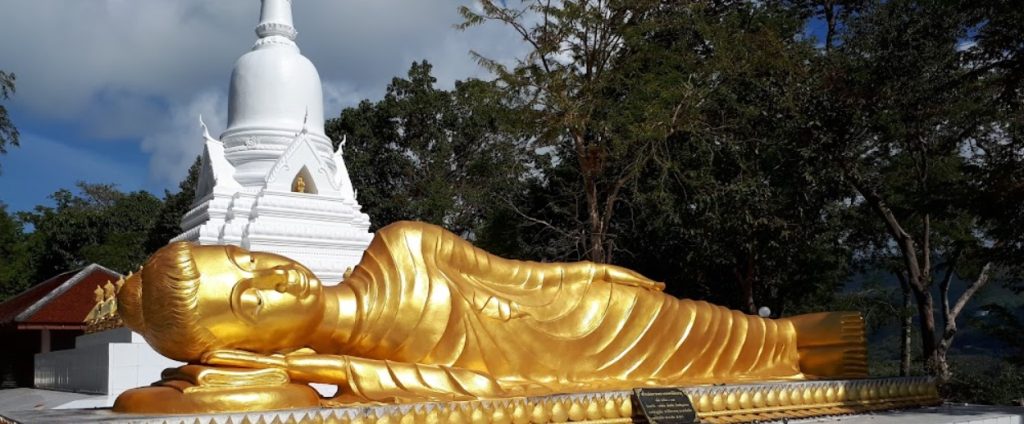 The spiritual heart of the south is the Laem Sor Pagoda.
Standing at the very edge of the water, its golden tiles shimmer against the Gulf of Thailand in a way that feels almost ethereal.
Unlike the Big Buddha in the north, which is perpetually swarmed by tour buses, Laem Sor offers a meditative silence.
Visit in the early morning, and you’ll likely have the entire coastline to yourself. It is a place where you can hear the tide hitting the rocks, a rare luxury on an island as popular as Samui.
The Insider Secret: The Wangsakarube Mangroves
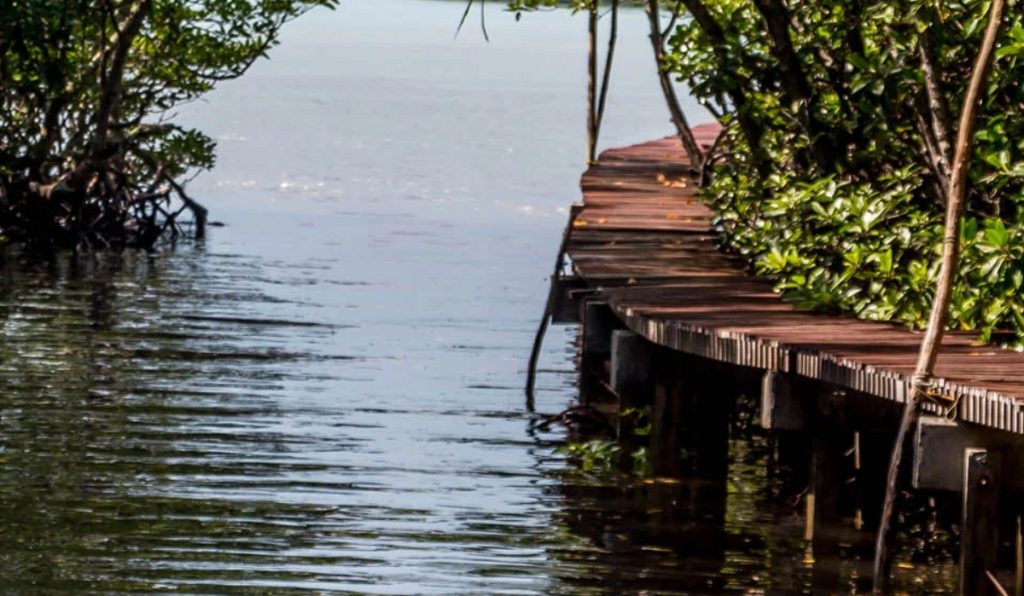 If you want to truly get off the grid, look for Wangsakarube.
The Mangrove Forest in Taling Ngam (sometimes referred to as the Wangsakarube or Taling Ngam mangrove area) is a hidden, natural, and protected eco-spot located in the southwest corner of Koh Samui, Thailand.
It is known for being a quiet, natural alternative to the bustling tourist beaches of the island
You won’t find this on the flashy brochures in the airport arrival hall. It is a hidden, local-favorite mangrove forest walk that remains Samui’s best-kept ecological secret.
This elevated wooden walkway snakes through a dense, prehistoric-looking mangrove system where the roots form intricate labyrinths in the mud.
It is a “silent” experience.
There are no vendors selling overpriced coconuts here. It is just you, the occasional mudskipper, and the sound of the wind through the leaves. It represents the raw, natural Samui that existed long before the first resort broke ground.
The “Deep Samui” Lifestyle
The south is also becoming a hub for a new kind of sustainable luxury.
Instead of massive hotel chains, you’ll find organic farms and “farm-to-table” shacks where the ingredients were harvested that morning.
In 2026, the real “flex” isn’t having a VIP table at a beach club; it’s knowing the coordinates to a “silent beach” in the south where your footprints are the only ones in the sand.
The Verdict
The north of Koh Samui is where you go to be seen. The south is where you go to disappear.
If you’re craving that 1990s island magic, where the days are measured by the movement of the sun rather than the happy hour schedule, skip the Chaweng orbit. Head south, find the golden pagoda, and lose yourself in the mangroves.
The “Real” Koh Samui is still there; you just have to know where to look.
Support our work: Click Here
Best Travel Insurance: click here
Best VPN for Travel: click here
Have any thoughts?
Share your reaction or leave a quick response — we’d love to hear what you think!
-
 0
-
 0
-
 0
-
 0
-
 0
-
 0