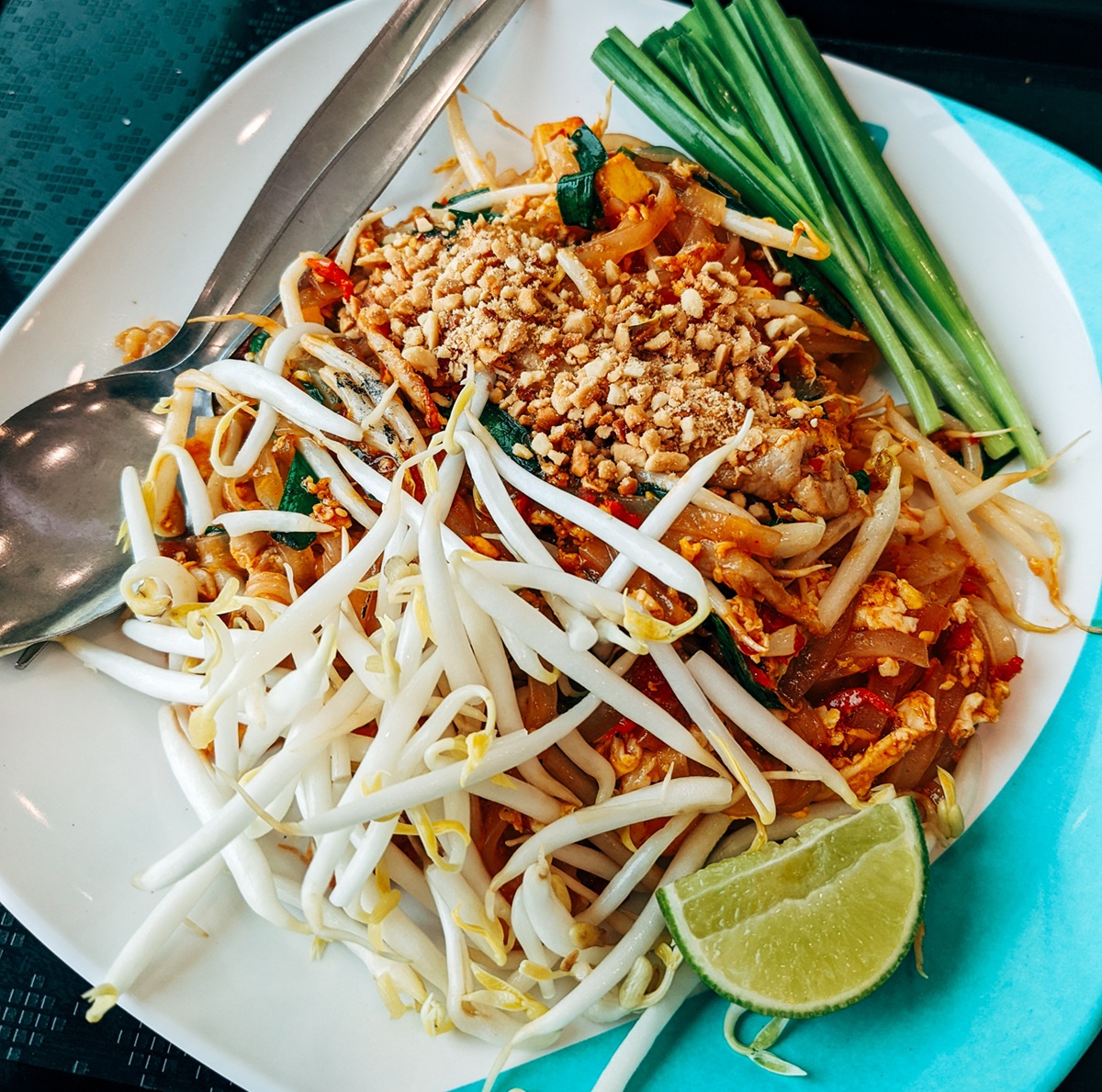
If you’ve ever ordered Pad Thai outside of Thailand, you’ve likely encountered a few questionable variations: neon-red noodles drenched in ketchup-sweet sauces, thick pasta substitutes resembling fettuccine, or overly greasy stir-fries topped with random vegetables.
While Western iterations often miss the mark, the authentic version served on the streets of Bangkok is a delicate balance of sweet, sour, salty, and savory flavors.
Here is the true story behind Thailand’s iconic dish and how it’s actually prepared by local cooks.
The Surprising History Behind the Dish
Despite being recognized as Thailand’s national dish, Pad Thai is a surprisingly modern creation with deep multicultural roots.
-
Chinese Heritage: Chinese immigrants fleeing political instability in the early-to-mid 20th century introduced high-heat stir-frying and rice noodles to Thailand.
-
Nation-Building Campaign: During World War II, Thailand faced severe rice shortages due to major floods damaging rice paddies.
To conserve whole rice grains for export and unify the nation, Prime Minister Plaek Phibunsongkhram launched a national campaign promoting rice noodles—made from cheap, broken rice grains. -
Rebranding in the 1960s: While noodle stir-fries were eaten across Thailand for decades, experts suggest the specific name “Pad Thai” gained global popularity during the Vietnam War era.
American soldiers stationed in Thailand sought a signature local food, prompting vendors to tailor and rebrand Chinese-style fried noodles into a distinctly Thai experience.
Unlike Chinese Lo Mein or Chow Mein, which rely on wheat noodles boiled before frying and tossed with heavy sauces, authentic Pad Thai centers around soaked rice noodles cooked quickly over intense heat in a wide, shallow wok.
What Goes Into Real Pad Thai?
The signature taste of true Pad Thai doesn’t come from bottled marinades, soy sauce, or ketchup. It relies on a carefully balanced core sauce paired with specific regional ingredients.
The Essential Sauce
The base sauce combines four core flavors:
-
Tamarind paste (for natural, fruity sourness)
-
Palm sugar (for subtle, caramel-like sweetness)
-
Fish sauce (for deep saltiness and umami)
-
Oyster sauce (for body and richness)
Key Ingredients
-
Dried Rice Noodles: Soaked in water until pliable rather than boiled, ensuring they absorb the sauce without turning mushy.
-
Aromatics & Proteins: Fresh garlic, shallots, pressed yellow tofu, sweet preserved radish, dried shrimp, and fresh prawns/shrimp.
-
The Fry: Lightly scrambled egg, fresh bean sprouts, and Chinese garlic chives added near the very end.
-
Garnishes: Crushed roasted peanuts, fresh lime wedges, and dried chili flakes.
How It’s Prepared on the Street
Watch a street vendor in Thailand, and you’ll see a lightning-fast process that takes under three minutes:
-
Soak the Noodles: Rice noodles soak in room-temperature water for 10 to 60 minutes until soft yet firm.
-
Sear the Protein: Prawns or shrimp are seared quickly in a hot wok and set aside to prevent overcooking.
-
Build the Base: Shallots, garlic, tofu, preserved radish, and dried shrimp are tossed into the hot pan.
-
Combine Noodles & Sauce: The soaked noodles and pre-mixed tamarind sauce go into the wok together, allowing the noodles to absorb the liquid as they soften.
-
Add the Egg & Veggies: An egg is cracked to the side of the pan, lightly scrambled, and folded through the noodles along with fresh bean sprouts and garlic chives.
-
Serve Fresh: The dish is plated immediately and served alongside raw bean sprouts, chives, lime wedges, chili powder, and ground peanuts—allowing diners to adjust the flavor profile to their liking.
Whether you’re grabbing a 50-Baht plate from a Bangkok street cart or dining at a Michelin Bib Gourmand stall, knowing how genuine Pad Thai is built helps you spot the real deal anywhere in the world.
Support our work: Click Here
Best Travel Insurance: click here
Best VPN for Travel: click here
Have any thoughts?
Share your reaction or leave a quick response — we’d love to hear what you think!
-
 0
-
 0
-
 0
-
 0
-
 0
-
 0