Navigating Thailand efficiently and safely comes down to using the right combination of ride-hailing apps, intercity booking tools, and local transport options, while avoiding the most common road hazards.
Must-Have Transport Apps for Thailand
1. Ride-Hailing & Local City Travel
-
Grab: The default ride-hailing app across Southeast Asia. Excellent for booking cars, taxis, and motorbike rides with fixed upfront pricing and linked credit card payments.
-
Bolt: Widely used in major tourist destinations like Bangkok, Phuket, Chiang Mai, and Pattaya. It is often cheaper than Grab for identical routes, making it worth cross-checking fares before booking.
-
inDrive: A popular alternative where you can propose your own price or choose drivers based on their bids and vehicle reviews. Great for longer routes or during peak surge pricing hours.
-
MuvMi: An eco-friendly, on-demand electric tuk-tuk app operating specifically in key Bangkok neighborhoods (ideal for short hops to BTS/MRT stations).
2. Transit, Intercity & Ferry Navigation
-
12Go.asia: The gold standard for intercity travel across Thailand. Use it to search, compare, and book trains, long-distance buses, minivans, and island ferries.
-
Google Maps: Reliable for walking routes, public transit (BTS Skytrain and MRT in Bangkok), driving directions, and general navigation. Tip: Always download offline maps for islands and rural regions with spotty cell signal.
-
ViaBus: Gives real-time GPS tracking for local city buses in Bangkok so you don’t stand waiting indefinitely.
Essential Safety Tips for Getting Around
1. Motorbike & Scooter Safety (The #1 Risk)
Motorcycles account for over 80% of road accidents in Thailand.
-
Licensing Requirements: To ride legally and stay covered by travel insurance, you must hold a valid motorcycle license from your home country along with an International Driving Permit (IDP) stamped for motorcycles.
-
Helmets Are Mandatory: Never ride without a properly fitted helmet. If you plan on riding long distances or daily on scooters, consider investing in a high-quality certified helmet rather than relying on worn-out rental helmets.
-
Strict Drink-Driving Laws: Thailand strictly enforces zero-tolerance and low blood-alcohol limits for drivers (up to 20,000 THB fines and potential jail time). Use GrabBike or a car app if you plan on drinking.
A solid, DOT-approved full-face helmet like this provides real protection and superior ventilation compared to cheap plastic rental helmets if you plan on extended scooter or bike travel in Thailand.
2. Taxis & Tuk-Tuks
-
Insist on the Meter: In Bangkok, always insist that street taxi drivers turn on the meter (“Meter, khrap/ka”). If a driver insists on a high flat rate, simply walk away and hail another car or use Grab/Bolt.
-
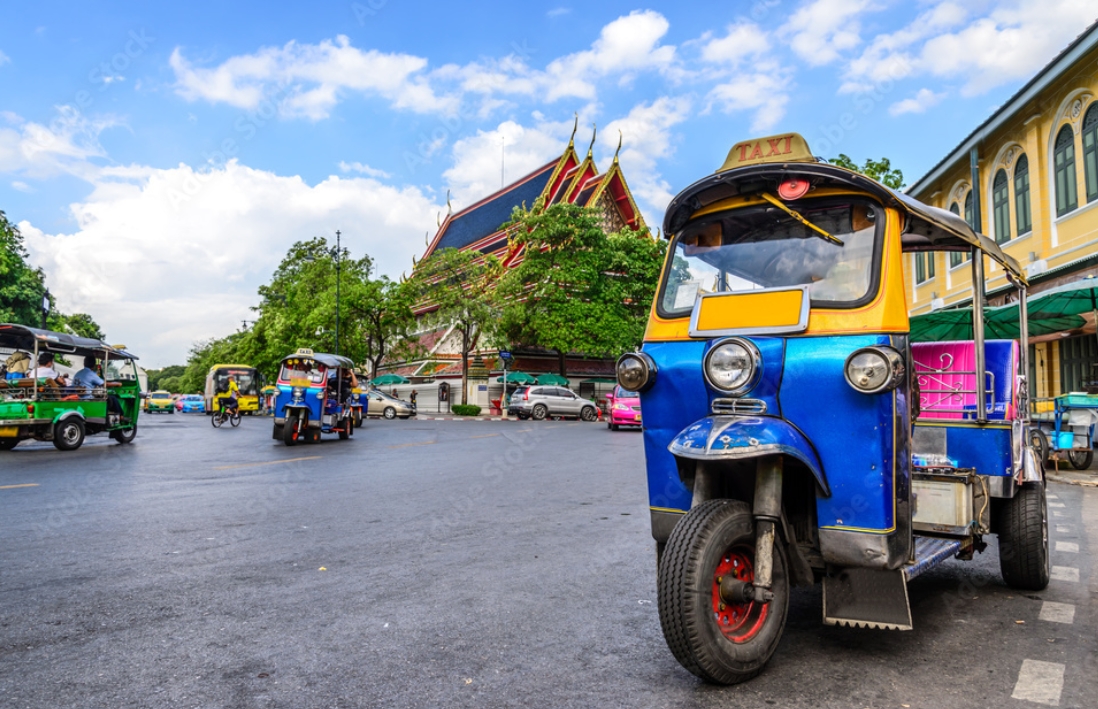
Negotiate Tuk-Tuks Upfront: Tuk-tuks do not have meters. Always negotiate and agree on the total price before stepping inside to avoid conflicts at your destination.
3. Rental Inspections & Deposits
-
Never Leave Your Passport as a Deposit: No rental shop is legally entitled to hold your physical passport. Leave a cash deposit or a passport photocopy instead.
-
Video/Photograph Condition: Before driving off with a rented scooter, car, or jet-ski, record a full video documenting every pre-existing scratch, dent, or mechanical issue in front of the owner.
Check out our guide: Renting a Scooter or a Motorbike in Thailand: Driving License Rules & Requirements (2026 Guide)
Support our work: Click Here
Best Travel Insurance: click here
Best VPN for Travel: click here
Have any thoughts?
Share your reaction or leave a quick response — we’d love to hear what you think!
-
 0
-
 0
-
 0
-
 0
-
 0
-
 0