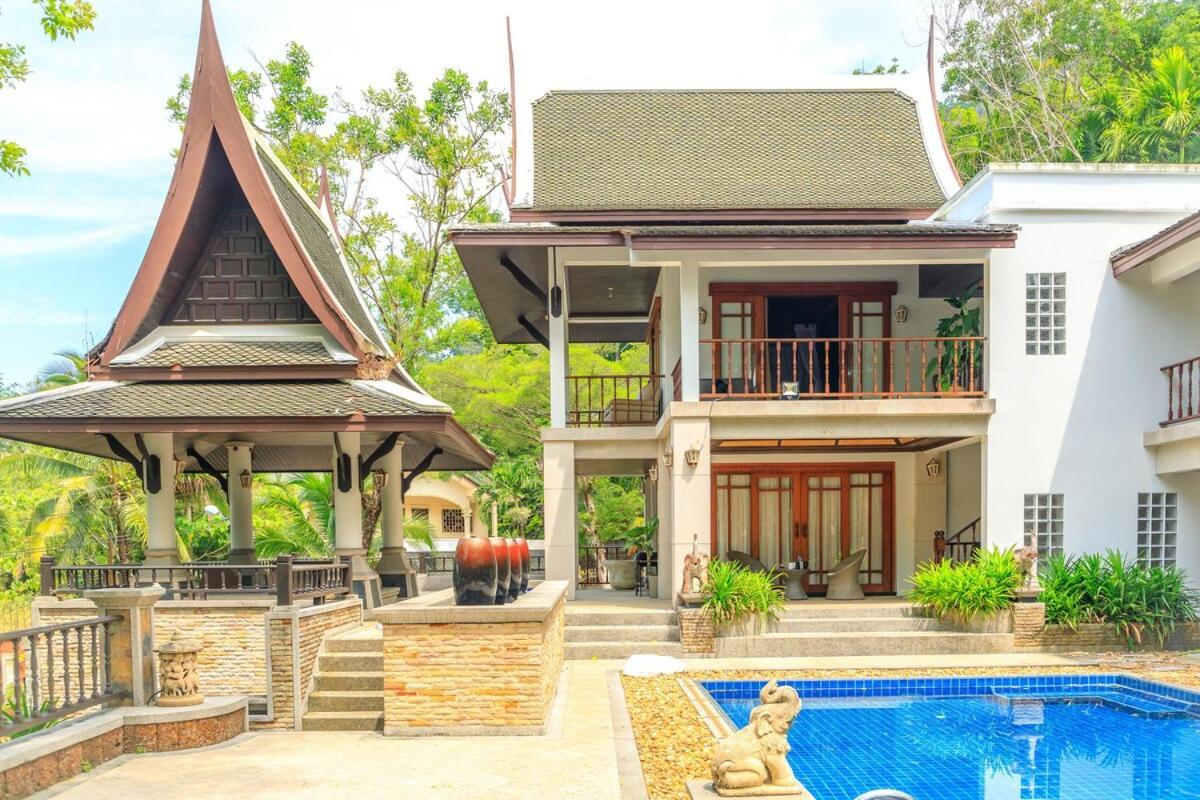
For those who enjoy or fall in love with Thailand, the ultimate dream is owning a house in the Land of Smiles.
But under the Thai Land Code Act, foreigners cannot directly own land freehold in Thailand.
However, foreigners can legally own the physical building/house structure separately from the land, or acquire property through secondary legal frameworks.
A. How a foreigner can buy a house in Thailand
Legal Ownership Routes
| Mechanism | Structure | Ownership Type | Max Term | Risk & Security |
| Leasehold Structure | Lease the land, register the house in your name. |
Building: Freehold
Land: Leasehold |
30 years (renewable) | High security if registered at the Land Department. |
| Thai Limited Company | Set up a company (51% Thai shareholding) to hold land. | Indirect Control | Permanent | High risk if nominee shareholders are used (strictly illegal). |
| Thai Spouse | Land purchased in Thai spouse’s name. |
Spouse: Freehold
Foreigner: Right of Habitation/Usufruct |
Permanent | Medium/High risk depending on relationship dynamics. |
| Condo Freehold (Alternative) | Buy a condominium unit directly. | Absolute Freehold | Indefinite | Highest security (within 49% foreign quota). |
1. Long-Term Leasehold + Direct Building Ownership
-
The Process: You sign a 30-year lease for the land plot (registered at the local Land Office) and obtain a building permit in your name to own the physical house.
-
Key Detail: Under Thai law, lease agreements top out at 30 years. While contract clauses often state “30+30+30 years,” future renewals depend heavily on legal enforceability and landowner cooperation.
2. Thai Limited Company Structure
-
The Process: A Thai registered company purchases the land and house outright.
-
Crucial Caveat: Thai nationals must hold at least 51% of shares. Using silent “nominee” shareholders to bypass ownership restrictions is a criminal offense under Thai land law and subject to strict scrutiny.
3. Rights of Usufruct & Superficies
-
Usufruct: Grants you the right to use, manage, and earn income from the land for your lifetime, registered on the title deed (Chanote).
-
Superficies: Grants legal ownership over the structure built on another person’s land for up to 30 years or for life.
Step-by-Step Purchasing Checklist
-
Conduct Legal Due Diligence: Always hire an independent lawyer to verify the Title Deed (aim for a Chanote / Nor Sor 4 title) and check for liens.
-
Transfer Foreign Currency: Money used for property acquisition must be remitted into Thailand in foreign currency to obtain a Foreign Exchange Transaction (FET) form from the Thai bank—essential for registration.
-
Register at the Land Department: Ensure leaseholds, superficies, or house transfers are officially endorsed on the back of the Chanote title deed.
B. How to buy an apartment or a condominium in Thailand
Under Section 19 of the Condominium Act (B.E. 2522), buying an apartment or condominium unit is the simplest, safest, and most direct path to property ownership for foreign nationals in Thailand.
Unlike houses or landed villas, foreigners can hold 100% direct freehold ownership (Chanote title deed) of a condo unit in their own name—provided two mandatory legal conditions are met.
1. The 49% Foreign Quota Limit
-
Foreign nationals can collectively own no more than 49% of the total sellable floor area in any registered condominium project. The remaining 51% must belong to Thai citizens or Thai legal entities.
-
How it works: The calculation is based on square meters, not the total number of units.
-
If the quota is full: You cannot buy freehold. You must either wait for an existing foreign owner to sell to you or buy under a 30-year leasehold contract.
2. The Foreign Exchange Transaction (FET) Requirement
-
To qualify for foreign freehold registration, the purchase funds must be remitted into Thailand in foreign currency (e.g., USD, EUR, GBP) from an overseas bank account.
-
The receiving bank in Thailand converts the funds to Thai Baht and issues a Foreign Exchange Transaction (FET) form (formerly Tor Tor 3).
-
The transfer instructions must explicitly state: “For the purchase of a condominium unit in Thailand.”
-
Without an original FET document, the Land Office will reject the transfer.
Step-by-Step Buying Process
-
Check Quota Availability: Before paying any deposit, obtain written confirmation from the building’s Juristic Person (Management Office) or developer stating that foreign quota is available.
-
Review Contract & Title Deed: Hire a local property lawyer to perform due diligence on the Chanote title deed, verify building licenses, and review the Sale & Purchase Agreement (SPA).
-
Remit Overseas Funds: Wire the full purchase amount in foreign currency to your Thai bank account or directly to the developer’s bank account. Collect the original FET form from the bank.
-
Register at the Land Department: You (or your legal representative via Power of Attorney) present the FET form, passport, and quota confirmation letter at the local Land Office to register the title transfer.
Estimated Transaction Costs & Taxes
At the time of transfer at the Land Department, key government fees apply (typically split between buyer and seller as agreed in the contract):
| Fee / Tax Type | Rate / Calculation | Standard Practice |
| Transfer Fee | 2% of the government appraised value | Often split 50/50 |
| Stamp Duty | 0.5% (applies if seller owned 5+ years) | Paid by Seller |
| Specific Business Tax (SBT) | 3.3% (applies if seller owned < 5 years) | Paid by Seller |
| Withholding Tax | Calculated on a progressive scale based on appraisal |
Support our work: Click Here
Best Travel Insurance: click here
Best VPN for Travel: click here
Have any thoughts?
Share your reaction or leave a quick response — we’d love to hear what you think!
-
 0
-
 0
-
 0
-
 0
-
 0
-
 0